
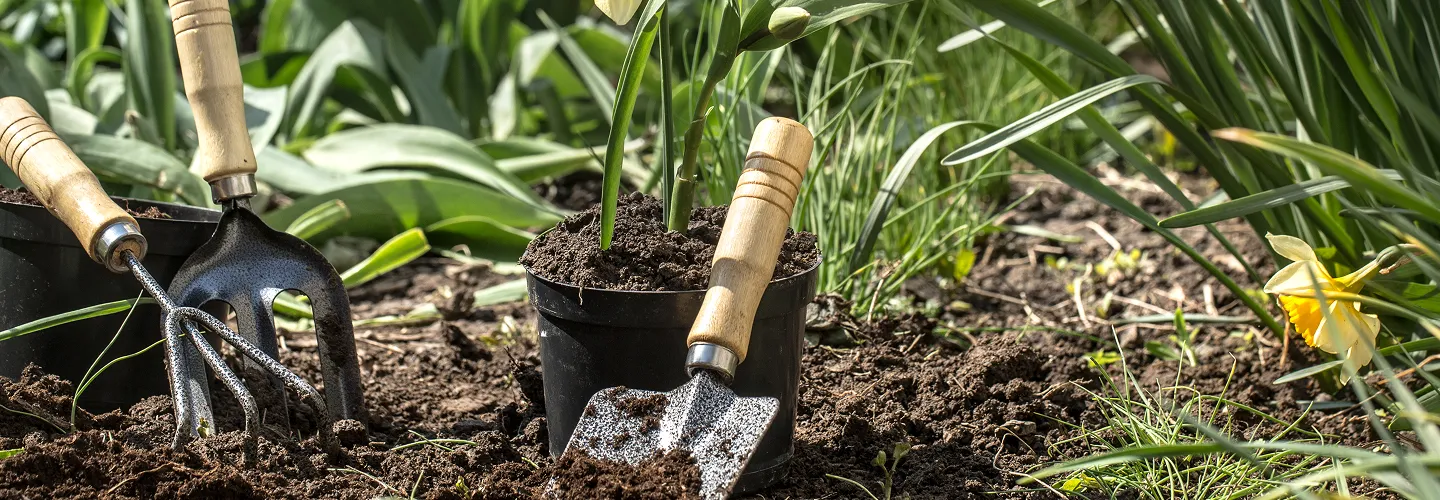
Pine Island Center Weed Control Services
Choose our Weed Control services for proven results, expert care, and a commitment to keeping your property healthy, beautiful, and free from invasive weeds all year round.
Get a Free QuoteOur Pine Island Center Landscaping & Yard Care Services
When to Schedule Weed Control in Pine Island Center, Florida – Seasonal Guide
In Pine Island Center, Florida, the timing of weed control is crucial for maintaining healthy, attractive landscapes. Due to our subtropical climate, weed growth can be persistent year-round, but the most effective periods for treatment are typically in early spring and late fall. These windows align with the region’s mild temperatures and increased soil moisture, which help pre-emergent and post-emergent treatments work more efficiently. Neighborhoods near Pine Island Road and the Stringfellow corridor often experience unique microclimates, with shaded lots and varying soil types that can influence weed proliferation.
Local environmental factors such as high humidity, occasional drought conditions, and the proximity to water bodies like Matlacha Pass all play a role in determining the best weed control schedule. For example, areas with dense tree coverage, such as those near Tropical Point Park, may require more frequent monitoring due to increased shade and moisture retention. Homeowners should also be aware of local municipal guidelines that may affect the use of certain herbicides or dictate application timing.
Local Factors to Consider for Weed Control in Pine Island Center
- Tree density and shade coverage, especially in neighborhoods near Tropical Point Park
- Soil type variations, from sandy soils near the coast to richer loams inland
- Seasonal precipitation patterns and risk of drought
- Frost dates, which are rare but can impact weed germination cycles
- Municipal restrictions on herbicide use and application timing
- Proximity to water bodies, increasing humidity and weed pressure
- Terrain and drainage, affecting how treatments are absorbed
Benefits of Weed Control in Pine Island Center
Enhanced Curb Appeal
Healthier Lawns and Gardens
Reduced Maintenance Time
Eco-Friendly Weed Solutions
Prevention of Invasive Species
Improved Property Value
Pine Island Center Weed Control Types

Pre-Emergent Weed Control
Pre-emergent treatments prevent weed seeds from germinating in your landscape.
-
Post-Emergent Weed Control
Post-emergent solutions target and eliminate existing weeds in lawns and garden beds.
-
Selective Herbicide Application
Selective herbicides remove unwanted weeds while preserving desirable plants.
-
Non-Selective Herbicide Application
Non-selective herbicides are used for total vegetation control in specific areas.
-
Manual Weed Removal
Hand-pulling and mechanical methods provide precise weed removal for sensitive areas.
-
Mulching for Weed Suppression
Applying mulch helps block sunlight and reduce weed growth in landscaped beds.
-
Organic Weed Control Solutions
Eco-friendly options use natural products to manage weeds without harsh chemicals.
Our Weed Control Process
Site Evaluation
Weed Identification
Targeted Treatment
Preventative Measures
Ongoing Monitoring
Why Choose Pine Island Center Landscape Services
Pine Island Center Homeowners Trust Us
-
Comprehensive Lawn Maintenance
-
Reliable Irrigation Solutions
-
Expert Tree and Shrub Care
-
Weed and Pest Management
-
Seasonal Clean-Up Services
-
Competitive Pricing
-
Satisfaction Guarantee
Coordinating Weed Control Services with Lee County Departments in Pine Island Center
Pine Island Center is an unincorporated community within Lee County, meaning all municipal-level coordination for weed control falls under county government departments rather than a city administration. Property owners and managers should direct questions about right-of-way maintenance, swale upkeep, and stormwater protection to the appropriate Lee County divisions. When herbicide applications occur near county-maintained drainage infrastructure—including roadside swales, culverts, and canal edges—residents should verify that treatments do not introduce chemical runoff into the public stormwater system. Lee County's Department of Community Development handles code compliance matters, including nuisance vegetation and overgrown lot enforcement, which may intersect with weed control obligations on residential and commercial parcels.
- Contact Lee County for guidance on swale and right-of-way weed management responsibilities
- Confirm whether county code compliance has issued any notices related to overgrown vegetation before scheduling treatment
- Coordinate herbicide application timing with irrigation schedules managed through Lee County Utilities to prevent chemical displacement into drainage systems
Lee County Department of Community Development
1500 Monroe Street, Fort Myers, FL 33901
Official Website: Lee County Department of Community Development
Lee County Utilities
Official Website: Lee County Utilities
How Pine Island Center's Subtropical Climate and Soils Influence Weed Pressure
Pine Island Center sits within USDA Hardiness Zone 10b on a barrier island in the Gulf Coast Florida region, where year-round warmth, high humidity, and a pronounced wet season from June through October create aggressive weed growth cycles. The community's soils are predominantly sandy and shell-influenced, with limited organic matter and rapid drainage characteristics that allow shallow-rooted weeds to establish quickly after rainfall events. Several conditions directly shape weed control planning in this area:
- High water table: Pine Island's low elevation and proximity to Matlacha Pass and Pine Island Sound mean the water table often sits close to the surface, limiting deep-root herbicide penetration and increasing the risk of lateral chemical migration toward canals and tidal waterways
- Sandy, shell-based soils: Rapid nutrient leaching through these porous soils reduces turf competitiveness, giving opportunistic weeds like chamberbitter, spurge, and sedges a persistent foothold
- Salt exposure: Properties near the island's shoreline experience salt spray and brackish groundwater intrusion, which stresses St. Augustinegrass and bahiagrass turf and opens gaps for salt-tolerant weeds
- Wet-season weed flushes: Summer rainfall averaging over 8 inches per month triggers rapid germination of broadleaf and grassy weeds, often outpacing turf recovery between mowing cycles
The USDA Web Soil Survey provides parcel-level soil data that can help property owners understand drainage behavior and weed susceptibility on their specific lots.
Navigating Pesticide Regulations and Stormwater Compliance for Pine Island Center Weed Control
All commercial weed control applicators operating in Pine Island Center must hold valid certification through the Florida Department of Agriculture and Consumer Services (FDACS) pesticide licensing program, as required under Florida Statutes Chapter 487. Property owners who apply herbicides themselves are not exempt from label compliance, drift prevention, and environmental protection obligations. Key regulatory considerations include:
- Herbicide applications near canals, retention ponds, and tidal waterways must comply with product label buffer requirements and the Florida DEP NPDES Stormwater Program, which governs pollutant discharge into surface waters
- Lee County's fertilizer ordinance, aligned with Florida Statutes §403.9337, restricts nitrogen and phosphorus application during the summer rainy season; weed-and-feed combination products containing fertilizer are subject to these same seasonal restrictions
- Granular or liquid herbicide must not be applied to impervious surfaces, and any material that contacts driveways, sidewalks, or roadways must be swept back onto the treatment area before irrigation or rainfall
FDACS — Pesticide Licensing
3125 Conner Boulevard, Tallahassee, FL 32399
Phone: (850) 617-7870
Official Website: FDACS Pesticide Applicator Licenses
Timing Pre-Emergent and Post-Emergent Weed Control Around Pine Island Center's Seasons
Effective weed control in Pine Island Center depends on aligning treatment methods with the area's subtropical growth calendar rather than relying on a single annual application. Professional standards for this region emphasize integrated pest management (IPM) principles, combining cultural turf health practices with targeted chemical intervention only when thresholds are met.
- Pre-emergent herbicide timing: Apply in early February before soil temperatures consistently reach 65°F, and again in early September to intercept fall-germinating winter annuals; Pine Island Center's warm soils may trigger earlier germination than mainland Lee County locations
- Post-emergent treatment: Target actively growing broadleaf weeds such as dollarweed, oxalis, and Florida pusley during periods of active growth but avoid application when air temperatures exceed 90°F, as volatilization and turf stress increase significantly
- Sedge management: Yellow and purple nutsedge require specialized herbicides distinct from broadleaf products; applications should follow label rates and be timed when sedges are actively growing in moist soil conditions
- Cultural weed suppression: Maintaining St. Augustinegrass at a mowing height of 3.5 to 4 inches, as recommended by UF/IFAS lawn care guidance, promotes canopy density that shades out weed seedlings and reduces reliance on chemical treatments
- Irrigation coordination: Schedule herbicide applications so that irrigation does not occur for at least 24 hours post-treatment unless the product label specifies watering-in; verify current watering day restrictions through the South Florida Water Management District schedule
What Neighborhoods Do We Serve Throughout Pine Island Center, FL?
- Tropical Gulf Acres: This subdivision features larger residential lots with sandy soils and limited curbing, where roadside swale weeds frequently encroach into turf areas and require coordinated pre-emergent and mowing strategies
- Pine Island Cove: Canal-adjacent properties in this area face persistent sedge and aquatic weed pressure along waterfront edges, demanding careful herbicide selection to protect water quality
- Flamingo Bay: Homes in this community often feature mature tropical landscaping with shaded turf zones where dollarweed and other moisture-loving broadleaf weeds thrive under reduced sunlight
- Hideaway Waterfront Resort area: Properties near this corridor contend with salt-influenced soils and brackish groundwater that stress turf and create openings for salt-tolerant weed species
- Pine Island Road corridor: Commercial and residential parcels along this main thoroughfare must maintain frontage appearance standards, and weed encroachment along sidewalks and parking areas is a common code compliance concern
- Pineland: This historic area near the island's western shore includes older lots with native vegetation buffers where invasive weed species can establish if not monitored seasonally