
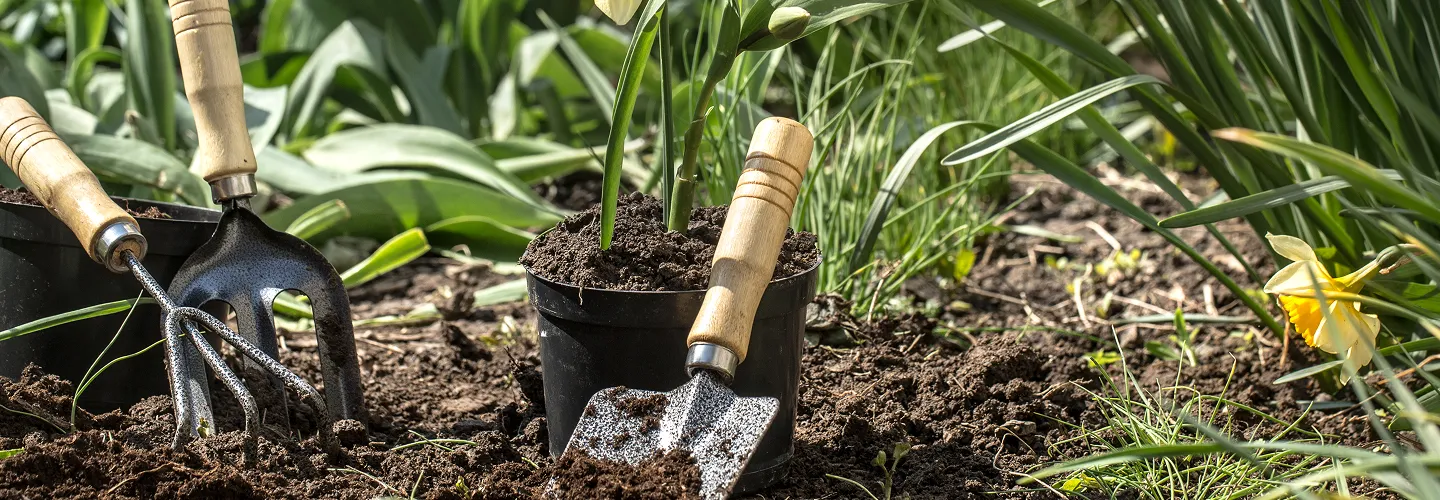
Pine Island Center Flower Planting Services
Choose our flower planting services for vibrant, healthy blooms that enhance your curb appeal and thrive in Pine Island Center’s unique climate—crafted by local experts who care about your garden’s beauty and success.
Get a Free QuoteOur Pine Island Center Landscaping & Yard Care Services
When to Schedule Flower Planting in Pine Island Center, Florida – Seasonal Guide
Flower planting in Pine Island Center, Florida, is best scheduled with careful attention to our unique subtropical climate and local landscape features. The optimal planting windows are typically late winter through early spring and again in early fall, when temperatures are moderate and rainfall is more predictable. These periods allow new blooms to establish strong roots before the intense summer heat or occasional winter chills. Neighborhoods near Pine Island Road and the Stringfellow corridor often experience microclimates due to proximity to water and varying shade from mature palms and oaks, which can influence planting success.
Local environmental factors such as the last frost date—usually in late January—should be considered, as well as the sandy, well-draining soils common in areas like St. James City. Humidity levels remain high for much of the year, but drought risk can increase in late spring, making irrigation planning essential. For more information on local planting guidelines and municipal considerations, visit the official town resource.
Local Factors to Consider for Flower Planting in Pine Island Center
- Tree density and shade coverage, especially in neighborhoods with mature landscaping
- Soil type and drainage, with sandy soils prevalent near waterfront properties
- Seasonal precipitation patterns and risk of drought
- Proximity to saltwater or brackish environments
- Municipal restrictions or guidelines on planting and irrigation
- Terrain variations, such as low-lying areas prone to flooding
Benefits of Flower Planting in Pine Island Center
Expert Landscaping Services
Customized Garden Designs
Seasonal Plant Selection
Enhanced Curb Appeal
Eco-Friendly Planting Solutions
Reliable Local Professionals
Pine Island Center Flower Planting Types

Perennial Flower Beds
-
Annual Flower Displays
-
Native Wildflower Gardens
-
Pollinator-Friendly Plantings
-
Shade Garden Flowers
-
Drought-Tolerant Flower Beds
-
Seasonal Bulb Plantings
Our Flower Planting Process
Site Evaluation
Soil Preparation
Flower Selection
Planting
Watering and Mulching
Why Choose Pine Island Center Landscape Services
Pine Island Center Homeowners Trust Us
-
Comprehensive Lawn Maintenance
-
Reliable Irrigation Solutions
-
Expert Tree and Shrub Care
-
Weed and Pest Management
-
Seasonal Clean-Up Services
-
Competitive Pricing
-
Satisfaction Guarantee
Coordinating Flower Planting Projects with Lee County Departments in Pine Island Center
Pine Island Center is an unincorporated community within Lee County, meaning all land-use oversight, landscaping guidance, and public-space coordination fall under county-level departments rather than a municipal government. Residents and property managers planning flower planting projects should coordinate with Lee County's Department of Community Development when site work involves changes to landscaped frontage, visibility triangles near roadways, or planting within utility easements. For properties adjacent to county-maintained parks, greenways, or public rights-of-way, the Lee County Parks and Recreation Department can clarify standards for plant species and placement that align with public landscape management goals.
- Verify whether planting near road shoulders or swale edges requires coordination with county transportation or stormwater staff.
- Confirm that flower bed installations along property frontage do not encroach into county rights-of-way or obstruct drainage flow.
- Contact Lee County Community Development for guidance on any site-plan-related planting requirements tied to development approvals.
Lee County Department of Community Development
1500 Monroe Street, Fort Myers, FL 33901
Official Website: Lee County Department of Community Development
Lee County Parks and Recreation
3410 Palm Beach Boulevard, Fort Myers, FL 33916
Official Website: Lee County Parks and Recreation
How Pine Island Center's Subtropical Gulf Coast Climate Shapes Flower Planting
Pine Island Center sits on Pine Island in the Gulf Coast region of Southwest Florida, classified within USDA Hardiness Zone 10b. This zone supports a wide range of tropical and subtropical flowering species but also imposes specific environmental pressures that directly affect planting success. The area's soils are predominantly sandy and shell-influenced, with limited organic content and rapid drainage that accelerates nutrient leaching. The high water table common across Pine Island can create saturated root zones during the wet season, typically June through October, when rainfall frequently exceeds fifty inches annually.
- Salt exposure: Proximity to Pine Island Sound and Matlacha Pass introduces airborne salt spray, which limits species selection to salt-tolerant varieties such as blanket flower, beach sunflower, and sea oxeye daisy.
- Heat and humidity: Summer temperatures regularly exceed ninety degrees with high humidity, increasing stress on newly installed flowers and promoting fungal conditions such as root rot and leaf spot.
- Sandy, shell-based soils: Rapid percolation means soil amendments and organic matter incorporation are essential to retain moisture and nutrients around flower root zones.
- Irrigation dependence: During the dry season (November through May), supplemental irrigation is critical; residents should verify current watering schedules through Lee County Utilities and the South Florida Water Management District.
Navigating Lee County's Regulatory Framework for Flower Planting in Pine Island Center
Flower planting in Pine Island Center must comply with several layers of county and state regulation. Lee County's land development code addresses landscaping requirements for properties undergoing development review, including minimum planting standards, species diversity, and irrigation provisions. Property owners modifying landscaped areas as part of a permitted project should confirm compliance through the Lee County Zoning division. While routine residential flower planting on private property typically does not require a permit, planting within drainage easements, swale areas, or near stormwater infrastructure may trigger review.
- Any soil amendment or fertilizer applied during flower bed preparation must comply with Lee County's fertilizer ordinance, which restricts nitrogen and phosphorus application during the summer rainy season. Residents can review local fertilizer rules through the Florida-Friendly Fertilizer Ordinances resource.
- Pesticide or herbicide use in flower beds requires compliance with Florida Statutes Chapter 487, and commercial applicators must hold valid FDACS certification.
- Flower planting near canals, retention ponds, or stormwater conveyances must avoid introducing soil, mulch, or chemical runoff into these systems, consistent with the Florida DEP NPDES Stormwater Program.
Lee County Zoning
1500 Monroe Street, Fort Myers, FL 33901
Official Website: Lee County Zoning
Timing and Methods for Flower Planting on Pine Island Center's Sandy Coastal Soils
Professional flower planting in Pine Island Center follows seasonal windows dictated by heat intensity, rainfall patterns, and species-specific establishment needs. The optimal primary planting window runs from mid-October through early April, when temperatures moderate and rainfall decreases, allowing root establishment without waterlogging. A secondary planting window exists in early June for heat-tolerant tropicals, provided irrigation is reliable and drainage is adequate.
- Soil preparation: Incorporate two to three inches of composted organic matter into the top six to eight inches of native sandy or shell soil before planting to improve moisture retention and nutrient availability.
- Irrigation setup: Install drip emitters or micro-spray heads within flower beds to deliver water directly to root zones, reducing waste and preventing foliar disease from overhead watering.
- Mulch application: Apply two to three inches of organic mulch around plantings, keeping mulch pulled back from stems to prevent crown rot; replenish as needed after heavy rains wash material away.
- Species selection: Prioritize Florida-Friendly and regionally adapted species such as firebush, pentas, plumbago, lantana, and coontie for perennial beds, and marigolds, impatiens, or petunias for seasonal color rotations during cooler months.
- Hydrozoning: Group flowers by water demand to prevent overwatering drought-tolerant species or underwatering moisture-dependent varieties, consistent with EPA WaterSense outdoor efficiency guidance.
What Neighborhoods Do We Serve Throughout Pine Island Center, FL?
- Tropical Gulf Acres: This residential subdivision features larger lots with sandy soils and mature tropical vegetation, requiring careful species selection to account for partial shade and root competition from established trees.
- Pine Island Cove: Properties in this area often sit near canal edges, making runoff-conscious bed preparation and mulch stabilization essential during flower planting projects.
- Flamingo Bay: Waterfront and near-waterfront lots in Flamingo Bay experience elevated salt exposure, favoring salt-tolerant flowering species and wind-resistant planting layouts.
- Useppa Shores: This community includes properties with mixed fill and shell soils typical of Pine Island subdivisions, often requiring organic amendment before flower installation.
- Pine Island Road corridor: Properties along this central corridor face reflected heat from pavement and higher visibility expectations, making durable, heat-tolerant flowering species a practical priority.
- Pineland: Located on the island's western side, Pineland properties near Calusa Heritage Trail and preserve areas benefit from native flowering species that complement the surrounding natural landscape.