
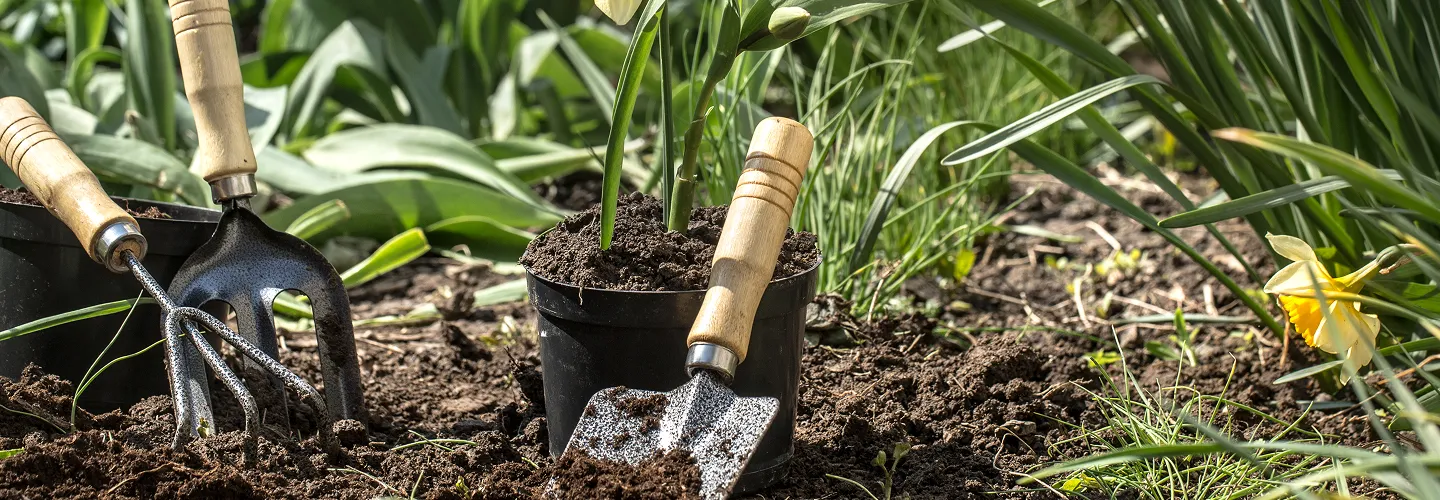
Pine Island Center Lawn Renovation Services
Choose our Lawn Renovation services for a lush, healthy yard—our experienced team uses proven techniques and premium materials to restore your lawn’s beauty and resilience, ensuring long-lasting results you’ll love.
Get a Free QuoteOur Pine Island Center Landscaping & Yard Care Services
When to Schedule Lawn Renovation in Pine Island Center, Florida – Seasonal Guide
In Pine Island Center, Florida, timing your lawn renovation is crucial for achieving a lush, resilient yard that thrives in our unique subtropical climate. The best periods for renovation are typically late spring and early fall, when soil temperatures are warm enough to encourage rapid root development but before the peak of summer heat or winter's occasional chill. Local neighborhoods like Flamingo Bay and areas near Pine Island Community Park often experience microclimates influenced by proximity to water and varying shade from mature palms and oaks, making it important to assess your specific property conditions.
Environmental factors such as high humidity, sandy soils, and the risk of late-spring droughts play a significant role in determining the optimal renovation window. Homeowners should also consider Pine Island Center’s average last frost date, which usually falls in early February, and the potential for heavy summer rains that can impact seed establishment. For more detailed local weather data and municipal guidelines, consult resources like the Town of Sudbury’s official site.
Local Factors to Consider for Lawn Renovation in Pine Island Center
- Tree density and shade coverage from native palms and oaks
- Soil composition, especially sandy or well-draining soils
- Seasonal precipitation patterns and risk of drought
- Proximity to water bodies influencing humidity and microclimates
- Terrain variations, including low-lying or flood-prone areas
- Municipal restrictions or watering schedules
- Timing around local events or neighborhood maintenance schedules
Benefits of Lawn Renovation in Pine Island Center
Enhanced Curb Appeal
Improved Soil Health
Weed and Pest Reduction
Thicker, Greener Lawns
Increased Property Value
Customized Landscaping Solutions

Pine Island Center Lawn Renovation Types

Sod Installation
-
Hydroseeding
-
Overseeding
-
Soil Amendment
-
Aeration and Dethatching
-
Weed and Pest Control
-
Irrigation System Upgrades
Our Lawn Renovation Process
Site Evaluation
Soil Preparation
Seeding or Sod Installation
Watering and Fertilization
Ongoing Maintenance
Why Choose Pine Island Center Landscape Services
Pine Island Center Homeowners Trust Us
-
Comprehensive Lawn Maintenance
-
Reliable Irrigation Solutions
-
Expert Tree and Shrub Care
-
Weed and Pest Management
-
Seasonal Clean-Up Services
-
Competitive Pricing
-
Satisfaction Guarantee
Coordinating Lawn Renovation Projects Through Lee County Departments in Pine Island Center
Pine Island Center is an unincorporated community within Lee County, meaning all land-use oversight, permitting, and public works coordination falls under county-level departments rather than a municipal government. Residents and property managers planning lawn renovation should begin by confirming whether the scope of work—particularly grading changes, drainage modifications, or irrigation system alterations—triggers any review through the Lee County Department of Community Development. Projects that involve regrading near swales, canal easements, or stormwater conveyance features may require coordination with county engineering staff before ground disturbance begins.
- Verify whether proposed grade changes affect county-maintained swale drainage along road frontages
- Confirm irrigation system modifications comply with current Lee County Utilities watering restrictions and reclaimed water policies where applicable
- Coordinate vegetative debris removal from renovation sites through Lee County's solid waste collection guidelines to prevent material from entering canal systems
Lee County Department of Community Development
1500 Monroe Street, Fort Myers, FL 33901
Official Website: Lee County Department of Community Development
Property owners should contact this department early in the planning process to determine whether site work review applies to their specific parcel, especially for properties adjacent to preserved wetlands or canal rights-of-way common throughout Pine Island.
How Pine Island Center's Coastal Soils and Subtropical Climate Shape Lawn Renovation
Pine Island Center sits within USDA Hardiness Zone 10b on a barrier island in the Gulf of Mexico, placing it firmly in a subtropical coastal environment with conditions that directly influence every phase of lawn renovation. The area's soils are predominantly sandy and shell-influenced, with rapid drainage characteristics that accelerate nutrient leaching and limit moisture retention in the root zone. These soil profiles, identifiable through the USDA Web Soil Survey, often require organic amendment and careful irrigation calibration during turf re-establishment.
- Salt exposure: Proximity to tidal waters and salt-laden winds can damage turf tissue and alter soil chemistry, making salt-tolerant cultivars such as certain St. Augustinegrass selections essential for successful renovation
- High water table: Low-lying parcels near Matlacha Pass and interior canal networks may experience seasonal water table fluctuations that affect root development and soil compaction patterns
- Wet-season intensity: Pine Island Center receives the bulk of its annual rainfall between June and October, creating saturated conditions that complicate soil correction, sodding, and fertilizer application timing
- Humidity and fungal pressure: Sustained summer humidity promotes fungal diseases including large patch and gray leaf spot in warm-season turf, requiring renovation plans to account for disease-resistant variety selection
These conditions mean that lawn renovation in Pine Island Center is not simply a matter of replacing turf—it requires addressing the underlying soil structure, salinity, and drainage behavior specific to each site.
Navigating Lee County Regulations and Environmental Compliance for Lawn Renovation
Lawn renovation in Pine Island Center must account for several layers of regulatory compliance at the county, state, and federal levels. Lee County enforces a fertilizer ordinance that restricts nitrogen and phosphorus application during the summer rainy season; residents and contractors should verify current blackout dates and application rate limits before any post-renovation fertilization. Any pesticide or herbicide application during the renovation process must be performed by individuals holding valid credentials through the FDACS Pesticide Applicator Certification and Licensing program, as required under Florida Statutes Chapter 487.
- Sediment, soil amendments, and organic debris must not enter canal systems, roadside swales, or stormwater conveyance structures during renovation; the Florida DEP NPDES Stormwater Program governs discharge prevention requirements
- Properties adjacent to mangrove-lined canals or conservation easements may face additional environmental review; confirm setback and buffer requirements through Lee County Zoning
- Removal of existing vegetation during renovation should comply with Lee County tree requirements if any protected trees or root zones are affected by grading or soil work
Lee County Zoning
1500 Monroe Street, Fort Myers, FL 33901
Official Website: Lee County Zoning
Timing and Professional Methods for Lawn Renovation in Pine Island Center's Climate
Successful lawn renovation in Pine Island Center depends on aligning each phase of work with the area's subtropical growing calendar and weather patterns. The optimal window for major renovation—including soil correction, sod installation, and irrigation system overhaul—falls between late April and early June, when warm-season turf species enter peak active growth but before the heaviest daily thunderstorms saturate soils.
- Soil correction: Amend sandy or shell-based soils with composted organic matter to improve moisture retention and nutrient-holding capacity; target a depth of at least four to six inches of prepared subgrade before laying sod
- Drainage repair: Regrade low spots and correct negative drainage patterns that direct water toward structures or neighboring parcels; ensure swale flow lines remain unobstructed per county engineering standards
- Irrigation audit: Test all zones for head-to-head coverage, check for salt-damaged components on properties near tidal canals, and verify that run times comply with current South Florida Water Management District watering schedules
- Turf selection: St. Augustinegrass varieties such as 'Palmetto' or 'CitraBlue' are well-suited to Pine Island Center's salt exposure and shade conditions; bahiagrass may serve lower-maintenance areas with full sun exposure
- Post-renovation establishment: New sod requires frequent, short irrigation cycles during the first two to three weeks to promote root contact, followed by gradual transition to deeper, less frequent watering as recommended by UF/IFAS lawn maintenance guidance
Lee County Utilities
Official Website: Lee County Utilities
Contractors and property owners should confirm current irrigation day and time restrictions through Lee County Utilities before establishing a post-renovation watering schedule.
What Neighborhoods Do We Serve Throughout Pine Island Center, FL?
- Tropical Homesites: Properties in this area often feature mature tropical landscaping and older irrigation systems that may require full audit and soil correction during lawn renovation
- Pine Island Cove: Canal-adjacent lots in this subdivision demand careful attention to drainage grading and sediment control to protect waterway edges during renovation work
- Hideaway Estates: Larger lot sizes in Hideaway Estates allow for phased renovation approaches, with soil amendment and turf replacement addressed in manageable sections
- Useppa Island vicinity parcels: Waterfront and near-waterfront properties face elevated salt exposure, requiring salt-tolerant turf selections and corrosion-resistant irrigation components
- St. James City corridor transition areas: Properties along the corridor between Pine Island Center and St. James City often sit on mixed fill and shell soils that benefit from deep soil correction before re-sodding
- Matlacha Pass adjacent properties: Parcels near Matlacha Pass experience tidal influence on water table levels, making drainage assessment a critical first step in any renovation plan