
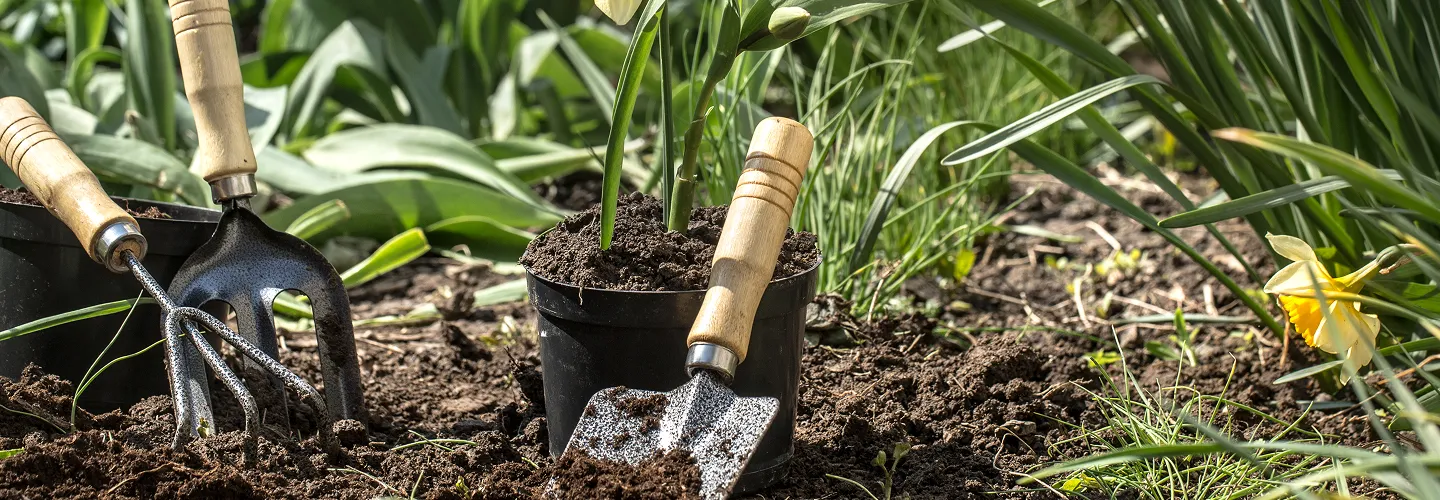
Pine Island Center Plant Removal Services
Choose our Plant Removal service for safe, thorough, and environmentally responsible removal of unwanted plants—ensuring your property stays beautiful, healthy, and hassle-free.
Get a Free QuoteOur Pine Island Center Landscaping & Yard Care Services
When to Schedule Plant Removal in Pine Island Center, Florida – Seasonal Guide
In Pine Island Center, Florida, timing your plant removal is crucial for both the health of your landscape and compliance with local guidelines. The subtropical climate here means that the best periods for plant removal are typically late winter through early spring, before the onset of the rainy season and high humidity. This window allows for easier root extraction and minimizes regrowth, especially in neighborhoods like Flamingo Bay and near the Pine Island Conservation Area, where dense vegetation and unique soil conditions prevail.
Local environmental factors such as the risk of late frosts, which can occur until early March, and the potential for summer droughts should be considered. Areas with heavy shade coverage, like those near St. James City Road, may require different timing compared to sunnier lots. Additionally, soil type—ranging from sandy loam to more clay-heavy patches—can impact removal strategies. For more information on local regulations and best practices, consult the official town resources.
Local Factors to Consider for Plant Removal in Pine Island Center
- Tree and shrub density in your yard
- Terrain slope and accessibility
- Seasonal precipitation patterns
- Municipal restrictions or permit requirements
- Proximity to protected wetlands or conservation areas
- Soil drainage and composition
- Shade coverage from mature trees
Benefits of Plant Removal in Pine Island Center
Expert Landscaping Services
Efficient Plant Removal
Eco-Friendly Disposal Methods
Improved Curb Appeal
Customized Solutions
Licensed and Insured Team
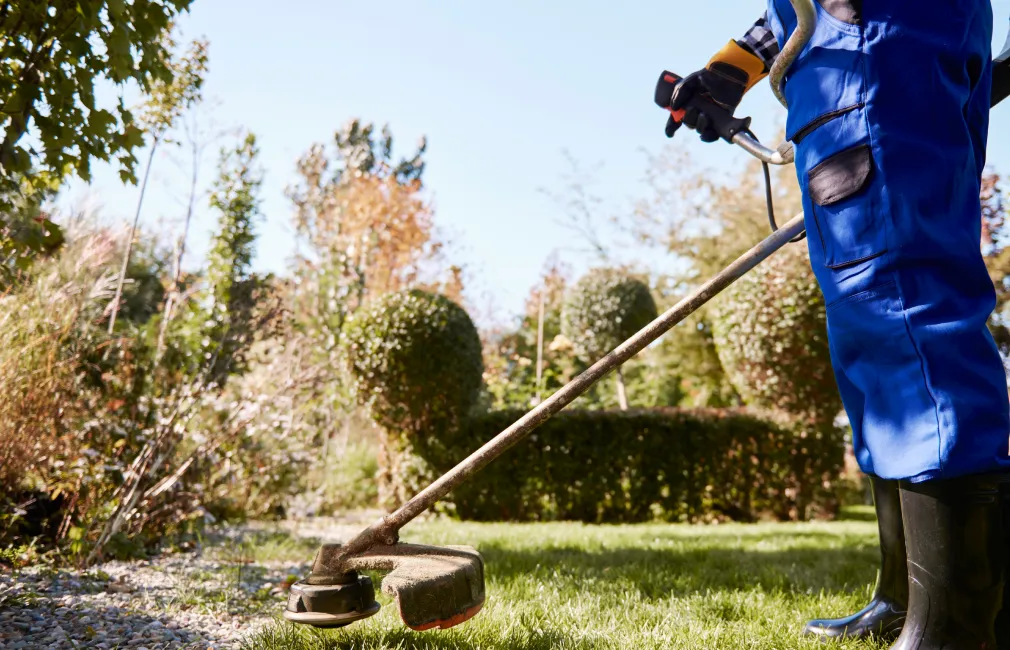
Pine Island Center Plant Removal Types

Tree Removal
-
Shrub Removal
-
Stump Grinding
-
Invasive Species Removal
-
Root System Extraction
-
Overgrown Vegetation Clearing
-
Landscape Bed Cleanouts
Our Plant Removal Process
Site Evaluation
Preparation and Safety Measures
Plant Uprooting
Debris Removal
Site Restoration
Why Choose Pine Island Center Landscape Services
Pine Island Center Homeowners Trust Us
-
Comprehensive Lawn Maintenance
-
Reliable Irrigation Solutions
-
Expert Tree and Shrub Care
-
Weed and Pest Management
-
Seasonal Clean-Up Services
-
Competitive Pricing
-
Satisfaction Guarantee
Coordinating Plant Removal With Lee County Departments in Pine Island Center
Pine Island Center is an unincorporated community within Lee County, meaning all municipal-level coordination for plant removal falls under county government departments. Property owners planning to remove vegetation—whether overgrown ornamentals, invasive species, or nuisance plants encroaching on drainage infrastructure—should coordinate with the appropriate Lee County division before beginning work. Vegetative debris generated from plant removal must be handled according to county disposal guidelines; residents should verify current curbside collection rules, bundling requirements, and accepted material types through Lee County's solid waste resources. When plant removal occurs near rights-of-way, swales, or canal easements, the county's transportation or community development offices may need to be consulted to confirm that removal activities do not compromise drainage flow or violate easement restrictions.
- Confirm vegetative debris disposal procedures with Lee County before hauling or placing material curbside
- Verify whether removal near a right-of-way or swale requires coordination with county transportation staff
- Contact the Department of Community Development if plant removal is part of a larger site-clearing or development project
Lee County Department of Community Development
1500 Monroe Street, Fort Myers, FL 33901
Official Website: Lee County Department of Community Development
Lee County Department of Transportation
Official Website: Lee County Department of Transportation
How Pine Island Center's Coastal Soils and Wet Season Shape Plant Removal
Pine Island Center sits within USDA Hardiness Zone 10b on Greater Pine Island, a Gulf Coast barrier island environment characterized by sandy coastal soils, shell-influenced substrates, and a seasonally high water table. These conditions directly affect how plant removal is planned and executed. The wet season, typically running from June through October, saturates soils and raises groundwater levels, making root-zone excavation more difficult and increasing the risk of sediment displacement into nearby canals and drainage swales. Sandy and shell-based soils offer poor structural cohesion when disturbed, meaning exposed ground after plant removal is highly susceptible to erosion during heavy rainfall events. Salt exposure from Gulf winds can weaken certain non-native ornamental species over time, sometimes necessitating removal when plants decline beyond recovery. Pine Island's network of canals and low-lying drainage areas requires that any soil disturbance from plant removal be stabilized promptly to prevent sediment and organic debris from entering waterways. The USDA Web Soil Survey provides site-specific soil data that can help property owners understand subsurface conditions before removal begins.
- Sandy and shell soils lose stability quickly when root systems are extracted, requiring immediate site stabilization
- High water table conditions during wet season can flood excavation areas and complicate debris removal
- Salt-laden winds contribute to decline in non-adapted ornamental plantings, often prompting removal
- Canal-adjacent properties must prevent displaced soil and organic matter from reaching waterways
Navigating Lee County's Regulatory Framework for Plant Removal in Pine Island Center
Plant removal in Pine Island Center must comply with several layers of Lee County and state-level regulation. Lee County's tree requirements outline environmental standards for vegetation removal associated with development projects, and property owners should verify whether specific plants on their property fall under any county protection or mitigation requirements before proceeding. When plant removal involves the application of herbicides—particularly for invasive species control or stump treatment—applicators must hold appropriate credentials under FDACS pesticide applicator licensing as required by Florida Statutes Chapter 487. Stormwater compliance is also critical; the Florida DEP NPDES Stormwater Program governs discharge prevention, and any plant removal activity that exposes bare soil near canals, retention areas, or storm drains must include erosion-control measures to avoid sediment runoff into protected waters.
- Verify with Lee County Community Development whether specific vegetation is subject to protection or mitigation before removal
- Herbicide use for stump treatment or invasive plant control requires valid FDACS pesticide applicator credentials
- Exposed soil near canals, swales, or retention ponds must be stabilized to comply with stormwater discharge standards
- Properties within flood zones or near wetland buffers may face additional review requirements through Lee County zoning
Lee County Zoning
Official Website: Lee County Zoning
Timing and Methods for Professional Plant Removal on Pine Island Center Properties
Professional plant removal in Pine Island Center's subtropical Gulf Coast climate requires careful attention to timing, technique, and post-removal site management. The dry season, generally November through May, offers the most favorable conditions for removal work—lower water tables, firmer soil, reduced mosquito pressure, and less risk of rain-driven erosion at exposed sites. During the wet season, removal should be scheduled between storm events when possible, and temporary erosion barriers such as silt fencing or staked turbidity cloth should be deployed around disturbed areas adjacent to drainage features.
- Extract root masses as completely as practical to prevent regrowth, particularly for aggressive species such as Brazilian pepper or Australian pine
- Backfill excavation voids with clean fill material compatible with surrounding soil grade to prevent ponding and settlement
- Apply mulch or erosion-control blankets to exposed ground immediately after removal to reduce surface runoff
- Avoid stockpiling removed plant material near canal banks, swale edges, or storm-drain inlets where organic leachate could enter waterways
- Schedule large-scale removal projects during the dry season to minimize soil saturation complications and equipment rutting
When invasive species are involved, removed plant material should be disposed of properly rather than composted on-site, as seeds and viable root fragments can reestablish. Residents should confirm current vegetative debris collection schedules and any volume limitations with Lee County before placing material for pickup.
What Neighborhoods Do We Serve Throughout Pine Island Center, FL?
- Tropical Homesites — Properties in this area often feature mature tropical plantings on larger lots, where aging or storm-damaged ornamentals may require removal and site restoration along canal-adjacent boundaries.
- Pine Island Cove — This waterfront community's proximity to tidal canals means plant removal must account for shoreline stabilization and prevention of organic debris entering adjacent waterways.
- Flamingo Bay — Residential lots here frequently include dense ornamental hedging and screening plants that may require periodic removal when overgrown or declining from salt exposure.
- Pine Island Center Estates — Larger rural-residential parcels in this area may contain invasive vegetation such as Brazilian pepper that requires systematic removal and proper disposal to prevent regrowth.
- Hideaway Marina Area — Properties near this corridor contend with mixed shell and sandy soils and canal-edge conditions that demand careful root extraction and immediate ground stabilization after plant removal.